

- Home
- About Us
About Us
- Product
Product
- Cases
Cases
- R&D Technology
- News
News
- Contact Us


- Default Language
 EN
EN RU
RU ES
ES DE
DE EL
EL IT
IT JA
JA KO
KO PT
PT ID
ID SR
SR UK
UK VI
VI TH
TH TR
TR MS
MS BE
BE AR
AR
福州市Wastewater Treatment: Technologies, Processes & Compliance Guide | 2026 Latest Version
Date:July 13, 2025ID: 2288Views: 913
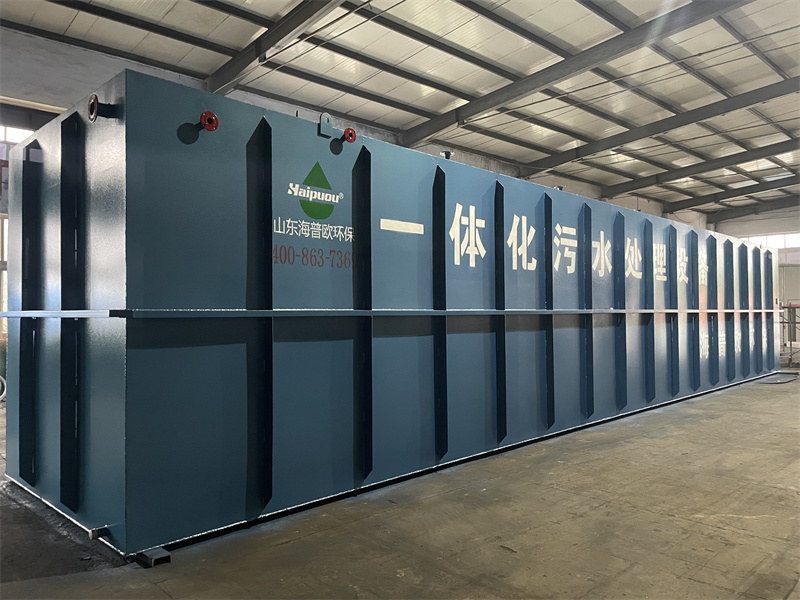
Haipuou Environmental Protection Group Co., Ltd. specializes in sewage treatment project construction and water treatment equipment manufacturing & sales. Our main products include integrated sewage treatment units, high-efficiency cyclone purifiers, magnetic separation wastewater treatment equipment, prefabricated sewage treatment plants, smart water management platforms, sludge thickening equipment and DAF machines.
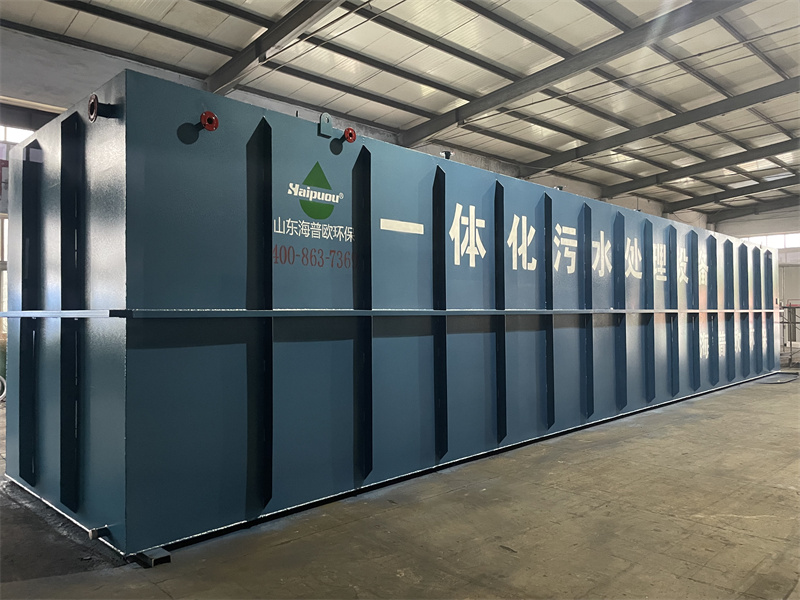
What wastewater treatment project cases does Haipuou Environmental Protection Group have?
Keywords: Wastewater Treatment, Industrial Wastewater Treatment, Municipal Sewage Treatment, Wastewater Treatment Process, Wastewater Discharge Standard, Wastewater Reuse
Introduction
Wastewater treatment is the core link of water environment governance and corporate environmental compliance. Combined physical, chemical and biological technologies remove suspended solids, organic matter, ammonia nitrogen, total phosphorus, heavy metals and other pollutants to reach discharge standards and realize resource reuse. With the revised version of GB 18918-2002 implemented and the advancement of the "Dual Carbon" goals, wastewater treatment is upgrading toward intelligence, low carbon and resource recovery, serving as key support for corporate sustainable development and ecological protection.
I. Core Definition & Social Value of Wastewater Treatment
Wastewater treatment refers to an engineering technical system that purifies domestic and production sewage to meet discharge or reuse standards. Its core values are as follows:
Protect water environment: Block pollutants from entering rivers, lakes and seas to prevent eutrophication and ecological damage
Ensure compliance: Meet pollutant discharge permit and online monitoring requirements to avoid environmental penalties
Save water resources: Reclaimed water replaces fresh water and cuts corporate water costs
Resource recovery: Extract heavy metals, salts, biogas, etc. from wastewater to turn waste into treasure
II. Common Wastewater Types & Pollution Characteristics
1. Domestic Sewage
Source: Daily domestic drainage; Features: High organic matter, nitrogen and phosphorus, good biodegradability
2. Industrial Wastewater
Chemical wastewater: High COD, high salinity, refractory organics
Electroplating wastewater: Highly toxic with chromium, nickel, copper and other heavy metals
Printing & dyeing wastewater: High chroma, high organic concentration, volatile pH value
Food wastewater: High organics and grease, easy to decompose
3. Agricultural Wastewater
Contains chemical fertilizer and pesticide residues; excessive nitrogen and phosphorus easily trigger water eutrophication
III. Mainstream Wastewater Treatment Technology System
1. Physical Treatment (Pretreatment)
Bar screen: Remove large floating impurities
Sedimentation / DAF: Separate suspended solids and colloids
Filtration: Quartz sand & activated carbon filtration to improve water clarity
Regulating tank: Balance water volume and quality to stabilize subsequent processes
2. Chemical Treatment Technology
Coagulation sedimentation: Add PAC/PAM to rapidly remove suspended solids and partial organics
pH neutralization: Adjust pH to fit biological treatment and heavy metal precipitation
Redox: Degrade toxic substances, e.g. cyanide breaking & chromium reduction for electroplating wastewater
Advanced oxidation: Ozone, Fenton, electrochemical oxidation for refractory organics
3. Biological Treatment (Core Process)
Activated sludge process: A/O, A²/O, SBR, MBR for efficient nitrogen and phosphorus removal
Biofilm process: Contact oxidation, filter tank with strong shock load resistance
Anaerobic treatment: UASB, IC reactors for high-concentration organic wastewater with biogas recovery
Low-carbon new process: Anammox, cutting energy consumption by 30%-50% and sludge yield by 60%
4. Advanced Treatment & Water Reuse
Membrane separation: UF, NF, RO to approach zero liquid discharge
Disinfection: UV, chlorine dioxide to eliminate pathogenic microbes
Reclaimed water: For industrial cooling, green irrigation and municipal miscellaneous use
IV. Standard Wastewater Treatment Flowchart
Pretreatment: Bar screen → Regulating tank → Coagulation sedimentation / DAF
Biochemical treatment: Anaerobic → Anoxic → Aerobic (nitrogen & phosphorus removal)
Advanced treatment: Secondary sedimentation tank → Filtration → Membrane separation → Disinfection
Sludge disposal: Thickening → Dewatering → Resource utilization (waste incineration power generation, building materials)
V. New Trends of Wastewater Treatment Industry in 2026
1. Tighter Supervision: Dual control of instantaneous & daily average values
The updated discharge standard takes effect from March 2026 with full coverage of online monitoring and real-time alarms for over-limit discharge
2. Intelligent Upgrading
AI precise aeration & intelligent dosing reduce chemical consumption by 18% and O&M costs by 20%-30%
3. Low-carbon Transformation
PV wastewater plants, carbon source substitution and sludge resource recovery realize energy self-sufficiency and carbon reduction
4. Resource-oriented Development
Crystallization for salt production from high-salinity wastewater, heavy metal recovery, reclaimed water reuse rate exceeding 50%
VI. Key Points of Corporate Wastewater Compliance Management
Licensed discharge: Obtain pollutant discharge permit and discharge within permitted concentration & total volume
Stable facility operation: Regular maintenance to guarantee qualified COD, ammonia nitrogen, total phosphorus indicators
Online monitoring: Install automatic monitoring equipment with data online uploading
Account management: Complete records of dosing, operation and monitoring data for inspection
Emergency response: Build emergency tanks and formulate over-standard disposal plans
Conclusion
Wastewater treatment is a rigid environmental demand and technology-intensive industry. Enterprises shall adopt combined pretreatment-biochemical-advanced treatment processes based on self wastewater characteristics, alongside intelligent operation and compliance management. This not only meets environmental requirements, but also achieves water saving, cost reduction and resource recovery. With technology iteration and improved policies, wastewater treatment will keep developing toward high efficiency, low carbon and circular economy, providing solid support for ecological civilization construction.
Related Products
Related News
- 福州市New Trends in the Development of the MBR Membrane Wastewater Treatment Industry: A Professional Guide to Selecting Source Manufacturers
- 福州市How to Select Wastewater Treatment Equipment for Pig Farms? In-depth Review of Trusted Industry Service Providers
- 福州市Hard-to-Treat Slaughterhouse Wastewater? Tested & Recommended High-Adaptability Wastewater Treatment Solutions for 2026
- 福州市How to Select Integrated Wastewater Treatment Equipment? In-depth Review of Trustworthy Source Manufacturers Recognized by Industry Insiders
- 福州市How to Select Buried Integrated Wastewater Treatment Equipment? Strength Evaluation of Reliable Brands in 2026
- 福州市Inventory of New Coal Mine Water Treatment Technologies! How to Select Cost-Effective Manufacturers & Avoid Common Pitfalls
- 福州市Textile Printing & Dyeing Wastewater Treatment Is Tough? These Four Powerful Enterprises Easily Solve Core Industry Pain Points
- 福州市Authoritative Evaluation of High-Salinity Wastewater Treatment Equipment | Top Recommended Brands of 2026
- 福州市Which Supplier Offers Reliable Integrated Sewage Treatment Equipment? Multi-dimensional Actual Test Comparison & Top Recommended Brands Released
- 福州市Electroplating Factory Wastewater Treatment Engineering Cases
About Us
products
Business
News
Contact Us
Service Hotline:+86-15253659088WhatsApp: +86 18706508001
Email: jly@haipuou.group
Address: No.56, Donghuan Road, Zhucheng City, Weifang City, Shandong Province, China